Rock
Progressive Rock
Space Rock
Enjoyable
Similar Artist
8.1
8.7
8.8
8.4
8.5
8.5
9.1
8.9
8.8
8.9
8.8
8.8
8.7
8.4
8.2
8.5
8.4
8.1
8.5
8.3
7.1
8.2
8.2
8.4
8.0
8.1
8.1
8.8
8.1
8.6
8.9
8.7
8.1
8.1
8.1
8.4
8.1
8.8
8.8
8.1
8.6
9.3
9.5
8.8
8.8
9.2
7.8
9.2
8.9
9.1
9.2
8.9
8.8
8.6
8.9
8.1
8.7
9.4
8.7
9.1
9.0
9.0
9.1
9.2
7.8
9.0
8.2
8.5
7.8
9.3
9.3
8.3
7.8
9.7
9.5
9.7
9.7
9.7
9.0
9.4
7.7
7.1
7.1
8.2
9.2
8.1
8.9
7.8
8.5
9.1
6.2
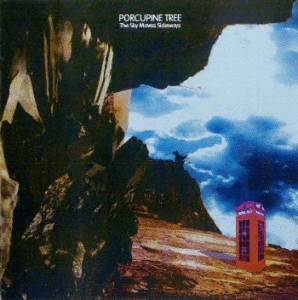
Porcupine Tree’s 1995 third album The Sky Moves Sideways is a sweeping, psychedelic space-rock epic, widely regarded as the band's spiritual homage to Pink Floyd's mid-70s sonic architecture. Defined by its immense dynamic range and vast spatial depth, the album revolves around Steven Wilson’s soaring, delay-drenched Stratocaster solos, fluid lap-steel phrasing, and warm acoustic guitar passages. Vintage synthesizer washes, pulsing sequencer loops, and ambient trance beats—courtesy of incoming member Richard Barbieri and guest contributors—fill the multi-layered soundscape, grounding the music in a hazy, late-night atmosphere. The production transitions effortlessly from delicate, acoustic-driven vocal passages to crushing, heavy-prog riffs and extended, hypnotic jam suites punctuated by flute melodies, field recordings, and reverse-tape effects. Tracks like the sprawling two-part title suite and "Stars Die" encapsulate this classic early-era signature: expansive, atmospheric, and beautifully bridging 1970s space-rock nostalgia with 1990s ambient electronic production.