I Am the Moon: IV. Farewell (2022)—the quiet, emotionally devastating final chapter of Tedeschi Trucks Band’s ambitious four-part epic—is a masterclass in understated acoustic warmth, folk-blues delicacy, and bittersweet resolution. Shifting away from the sprawling, multi-drummer soul-rock jams of their typical live sound, Farewell embraces an intimate, wide-open dynamic space. Susan Tedeschi’s lead vocals are close-miked and extraordinarily raw, flanked by subtle, gospel-infused backing harmonies and Mike Mattison’s soulful counter-lines. Derek Trucks relies heavily on acoustic slide and warm, rounded electric guitar tones, replacing explosive solos with aching, vocal-like melodic phrases that weave gently around Gabe Dixon’s acoustic grand piano and Wurlitzer. The rhythm section steps back into a relaxed, breathing groove, allowing acoustic fingerpicking, subtle organ swells, and delicate percussion to take center stage. The result is a quiet, audiophile-quality sunset to the quadrology—a pristine, golden-hour recording that prioritizes space, tenderness, and emotional clarity over sheer sonic power.
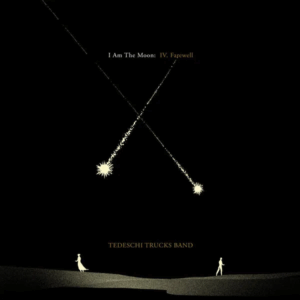
I Am the Moon: IV. Farewell (2022)—the quiet, emotionally devastating final chapter of Tedeschi Trucks Band’s ambitious four-part epic—is a masterclass in understated acoustic warmth, folk-blues delicacy, and bittersweet resolution. Shifting away from the sprawling, multi-drummer soul-rock jams of their typical live sound, Farewell embraces an intimate, wide-open dynamic space. Susan Tedeschi’s lead vocals are close-miked and extraordinarily raw, flanked by subtle, gospel-infused backing harmonies and Mike Mattison’s soulful counter-lines. Derek Trucks relies heavily on acoustic slide and warm, rounded electric guitar tones, replacing explosive solos with aching, vocal-like melodic phrases that weave gently around Gabe Dixon’s acoustic grand piano and Wurlitzer. The rhythm section steps back into a relaxed, breathing groove, allowing acoustic fingerpicking, subtle organ swells, and delicate percussion to take center stage. The result is a quiet, audiophile-quality sunset to the quadrology—a pristine, golden-hour recording that prioritizes space, tenderness, and emotional clarity over sheer sonic power.