Released in 1972, Pink Moon is the third, final, and most hauntingly stripped-back studio album by English singer-songwriter Nick Drake. Recorded over two late-night sessions at Sound Techniques in London with engineer John Wood, the 28-minute album stands as a stark, uncompromising masterpiece of tragic isolation, quiet acceptance, and transcendent poetic clarity. Moving away from the lush chamber-folk orchestration of Five Leaves Left and Bryter Layter, Drake delivered eleven brief, unpolished tracks—including "Pink Moon," "Place to Be," "Road," and "Things Behind the Sun"—that capture a brilliant artist retreating completely inward amidst deepening depression.
Sonically, the album is a masterclass in radical acoustic minimalism, spatial purity, and unvarnished emotional intimacy. Consisting almost entirely of just Drake's voice and his acoustic guitar—with a brief, shimmering piano overdub on the title track being the sole exception—the recording relies on pristine room acoustics and zero studio processing. The soundscape is centered on Drake’s extraordinary guitar work: intricate, polyrhythmic fingerpicking, alternate tunings, and heavy thumbed bass notes that ring out with metallic, wooden resonance. Recorded with micro-close mic placement, every subtle string buzz, fingerboard squeak, and breath is captured with tactile realism. Drake’s vocals sit quietly in the absolute center of the mix—hushed, gravelly, and velvet-soft, delivering his final musical statement with a chilling, stark, and timeless beauty.
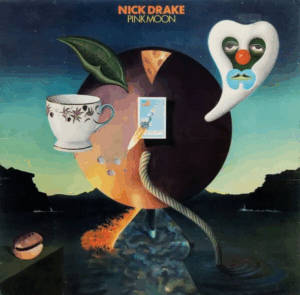
Released in 1972, Pink Moon is the third, final, and most hauntingly stripped-back studio album by English singer-songwriter Nick Drake. Recorded over two late-night sessions at Sound Techniques in London with engineer John Wood, the 28-minute album stands as a stark, uncompromising masterpiece of tragic isolation, quiet acceptance, and transcendent poetic clarity. Moving away from the lush chamber-folk orchestration of Five Leaves Left and Bryter Layter, Drake delivered eleven brief, unpolished tracks—including "Pink Moon," "Place to Be," "Road," and "Things Behind the Sun"—that capture a brilliant artist retreating completely inward amidst deepening depression.
Sonically, the album is a masterclass in radical acoustic minimalism, spatial purity, and unvarnished emotional intimacy. Consisting almost entirely of just Drake's voice and his acoustic guitar—with a brief, shimmering piano overdub on the title track being the sole exception—the recording relies on pristine room acoustics and zero studio processing. The soundscape is centered on Drake’s extraordinary guitar work: intricate, polyrhythmic fingerpicking, alternate tunings, and heavy thumbed bass notes that ring out with metallic, wooden resonance. Recorded with micro-close mic placement, every subtle string buzz, fingerboard squeak, and breath is captured with tactile realism. Drake’s vocals sit quietly in the absolute center of the mix—hushed, gravelly, and velvet-soft, delivering his final musical statement with a chilling, stark, and timeless beauty.