Looking In (1970) by Savoy Brown delivers a dark, heavy, and swampy blues-rock soundscape, marking a raw, power-trio-driven shift in the band's acoustic identity. Produced by Kim Simmonds, the album features a dense, warm analog mix with a tightly focused center stage and earthy low-end weight. Kim Simmonds’ guitar work dominates the mid-frequency space, switching effortlessly between thick, overdriven rhythm riffs and searing, wah-drenched slide solos that cut through with sharp, vocal-like bite and tube-amp sustain. Lonesome Dave Peverett’s gritty, soulful vocals sit right at the front of the mix, surrounded by subtle room decay that enhances the album's raw, live-in-the-studio feel. Tony Stevens’ basslines are fat, round, and warm, locking tight into Roger Earl’s heavy-handed drum performance—characterized by deep, resonant kick impact, a snappy snare crack, and dark, uncompressed cymbal washes. The resulting audio profile is punchy, unpolished, and dripping with gritty British blues-rock texture.
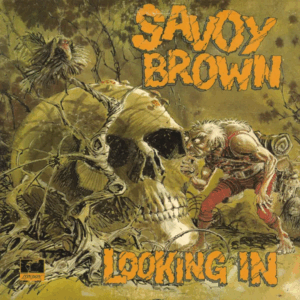
Looking In (1970) by Savoy Brown delivers a dark, heavy, and swampy blues-rock soundscape, marking a raw, power-trio-driven shift in the band's acoustic identity. Produced by Kim Simmonds, the album features a dense, warm analog mix with a tightly focused center stage and earthy low-end weight. Kim Simmonds’ guitar work dominates the mid-frequency space, switching effortlessly between thick, overdriven rhythm riffs and searing, wah-drenched slide solos that cut through with sharp, vocal-like bite and tube-amp sustain. Lonesome Dave Peverett’s gritty, soulful vocals sit right at the front of the mix, surrounded by subtle room decay that enhances the album's raw, live-in-the-studio feel. Tony Stevens’ basslines are fat, round, and warm, locking tight into Roger Earl’s heavy-handed drum performance—characterized by deep, resonant kick impact, a snappy snare crack, and dark, uncompressed cymbal washes. The resulting audio profile is punchy, unpolished, and dripping with gritty British blues-rock texture.