Led Zeppelin IV (1971) stands as a monumental masterpiece of analog engineering, seamlessly blending the rustic acoustic air of their third record with an unmatched, earth-shaking electric scale. Engineered by Andy Johns alongside Jimmy Page—and famously tracked in the cavernous, stone-walled estate of Headley Grange—the album's acoustic signature is defined by its staggering dynamic range, deep spatial dimension, and lush, organic warmth.
Jimmy Page’s guitar tapestry reaches its absolute zenith here: pristine, chorus-drenched acoustic arpeggios and shimmering 12-string textures weave effortlessly into towering walls of overdriven Les Paul crunch, all placed with surgical precision across a vast stereo stage. Robert Plant’s vocals occupy the absolute center channel with extraordinary emotional presence, scaling from soft, intimate folk whispers to razor-sharp, soaring high notes framed by haunting tape delays and natural room decay.
The low end carries staggering visceral authority. John Paul Jones delivers a masterclass in foundation-building, laying down thick, growling Fender basslines alongside atmospheric Fender Rhodes electric piano pads and dark, majestic synthesizer swells. Beneath it all sits what is widely considered the most iconic drum sound in rock history: John Bonham’s kit, captured in the three-story stairwell at Headley Grange using distance miking, delivers an explosive, cavernous acoustic response—featuring a massive, earth-moving kick drum, a crackling, instantaneous snare impact, and pristine cymbal decay that radiates across a wide, three-dimensional room profile. The result is a timeless, perfectly balanced production that defines the gold standard of dynamic rock audio.
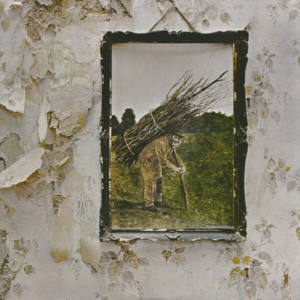
Led Zeppelin IV (1971) stands as a monumental masterpiece of analog engineering, seamlessly blending the rustic acoustic air of their third record with an unmatched, earth-shaking electric scale. Engineered by Andy Johns alongside Jimmy Page—and famously tracked in the cavernous, stone-walled estate of Headley Grange—the album's acoustic signature is defined by its staggering dynamic range, deep spatial dimension, and lush, organic warmth.
Jimmy Page’s guitar tapestry reaches its absolute zenith here: pristine, chorus-drenched acoustic arpeggios and shimmering 12-string textures weave effortlessly into towering walls of overdriven Les Paul crunch, all placed with surgical precision across a vast stereo stage. Robert Plant’s vocals occupy the absolute center channel with extraordinary emotional presence, scaling from soft, intimate folk whispers to razor-sharp, soaring high notes framed by haunting tape delays and natural room decay.
The low end carries staggering visceral authority. John Paul Jones delivers a masterclass in foundation-building, laying down thick, growling Fender basslines alongside atmospheric Fender Rhodes electric piano pads and dark, majestic synthesizer swells. Beneath it all sits what is widely considered the most iconic drum sound in rock history: John Bonham’s kit, captured in the three-story stairwell at Headley Grange using distance miking, delivers an explosive, cavernous acoustic response—featuring a massive, earth-moving kick drum, a crackling, instantaneous snare impact, and pristine cymbal decay that radiates across a wide, three-dimensional room profile. The result is a timeless, perfectly balanced production that defines the gold standard of dynamic rock audio.