Rock
Alternative Rock
Indie Rock
Art Rock
Similar Artist
9.1
9.1
9.1
9.1
8.8
8.1
9.1
8.9
7.9
7.9
8.1
8.6
8.3
9.2
8.8
9.2
9.4
9.1
9.2
9.0
7.4
8.6
9.1
8.3
7.9
8.6
8.1
8.1
8.1
9.4
8.6
8.1
7.1
8.1
8.4
8.1
7.5
9.0
9.1
9.2
9.5
9.5
9.5
9.4
9.5
8.6
7.5
9.0
9.6
9.0
9.0
9.4
9.5
7.0
8.9
8.0
7.7
7.3
7.3
7.9
7.9
7.5
8.7
8.4
7.7
7.5
8.0
9.4
8.8
7.7
7.5
7.2
7.0
9.0
6.5
7.1
8.5
9.1
9.3
8.8
7.9
9.3
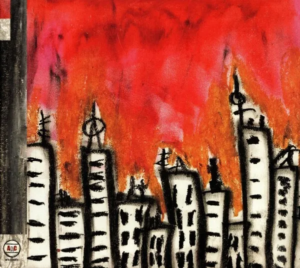
Broken Social Scene (2005) by Broken Social Scene is an explosive, kaleidoscopic masterpiece of indie-rock maximalism—a massive, multi-layered wall of sound engineered with dense spatial layering, unpredictable dynamic bursts, and a sprawling, communal energy. Produced by David Newfeld, the album’s acoustic signature is defined by its ability to orchestrate an entire collective of musicians into a cohesive, intoxicatingly immersive stereo panorama.
The guitar architecture is an interconnected web of sound: up to four or five electric and acoustic guitars intertwine across the stereo field, ranging from shimmering, delay-drenched ambient textures and jangly indie strums to heavily overdriven, chaotic shoegaze walls of fuzz. The album's vocal presentation is famously fluid and democratic—featuring a rotating lineup of voices (including Kevin Drew, Brendan Canning, Leslie Feist, Emily Haines, and Amy Millan) that shift from dry, whispered central intimacy to soaring, multi-tracked choral harmonies bathed in long room reverbs.
Woven into the rock instrumentation is a rich tapestry of horns, strings, woodwinds, and pitch-shifted electronic accents that bloom in the upper-mid and high frequencies, adding an orchestral grandeur to the noise. The low-end foundation is anchor-heavy and elastic: Brendan Canning’s basslines deliver a warm, driving, and heavily saturated growl that punches through the thick mid-range clutter.
The album features a dual-drummer foundation (Justin Peroff and Ohad Benchetrit/Spek Won) captured with raw, room-heavy acoustic presence—snapping, resonant snares, thundering tom runs, and wide-open cymbal washes that flood the soundstage during the album's most ecstatic climaxes. The resulting audio footprint is dense, euphoric, and fiercely dynamic—a triumph of mid-2000s Canadian indie-rock production.