Released in 1994, The Return of the Space Cowboy is Jamiroquai’s sprawling, ambitious second album, taking the raw acid-jazz energy of their debut and plunging it into darker, more introspective, and psychedelic territory. Written amid intense touring pressure and creative isolation, the record balances cosmic escapism and street-level social anxiety—tackling themes of isolation, street violence, and drug culture through landmark tracks like "Space Cowboy," "Half the Man," and the tense, sprawling "Manifest Destiny."Sonically, the album represents a peak in organic, musician-driven funk, characterized by complex song structures, long instrumental jams, and a lush, analogue warmth. Stuart Zender’s legendary basslines serve as the melodic backbone, weaving intricate, slap-and-fingerstyle grooves around Derrick McKenzie’s tight, syncopated drum patterns. Toby Smith’s shimmering Fender Rhodes and subtle synth textures coat the music in a hazy, stoner-soul glow, while rich horn sections, flutes, and percussion add depth to the spacious mix. Over these expansive, laid-back grooves, Jay Kay delivers some of his most nuanced and soulful vocal performances, blending buttery falsetto stretches with a relaxed, effortless rhythmic cadence.
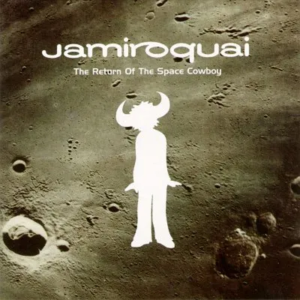
Released in 1994, The Return of the Space Cowboy is Jamiroquai’s sprawling, ambitious second album, taking the raw acid-jazz energy of their debut and plunging it into darker, more introspective, and psychedelic territory. Written amid intense touring pressure and creative isolation, the record balances cosmic escapism and street-level social anxiety—tackling themes of isolation, street violence, and drug culture through landmark tracks like "Space Cowboy," "Half the Man," and the tense, sprawling "Manifest Destiny."Sonically, the album represents a peak in organic, musician-driven funk, characterized by complex song structures, long instrumental jams, and a lush, analogue warmth. Stuart Zender’s legendary basslines serve as the melodic backbone, weaving intricate, slap-and-fingerstyle grooves around Derrick McKenzie’s tight, syncopated drum patterns. Toby Smith’s shimmering Fender Rhodes and subtle synth textures coat the music in a hazy, stoner-soul glow, while rich horn sections, flutes, and percussion add depth to the spacious mix. Over these expansive, laid-back grooves, Jay Kay delivers some of his most nuanced and soulful vocal performances, blending buttery falsetto stretches with a relaxed, effortless rhythmic cadence.