Pink Floyd’s 1983 concept album The Final Cut is an intensely cinematic, starkly intimate, and emotionally abrasive audio landscape that serves as a direct acoustic and thematic sequel to The Wall. Dominated almost entirely by Roger Waters' creative direction, the sound signature trades traditional space-rock jams and expansive guitar solos for quiet, fragile vocal delivery that abruptly shatters into explosive, dynamic bursts of theatrical rage. Michael Kamen’s lush, dramatic orchestral arrangements and brass sections sit alongside Waters’ delicate, whispering acoustic guitar chords and Roger’s raspy, trembling vocals, which are brought right to the front of the mix via pristine holophonic 3D audio recording techniques. David Gilmour’s guitar presence is surgical and sparse, delivering moments of searing, soaring blues power—most notably his weeping, high-sustain solos on "Your Possible Pasts" and the title track—while Nick Mason’s drumming is subdued and precise. Interspersed with hyper-realistic sound effects of whistle-blowing missiles, ticking clocks, roaring jet engines, and muffled radio broadcasts, the album delivers a deeply tragic, claustrophobic, and dynamic anti-war listening experience.
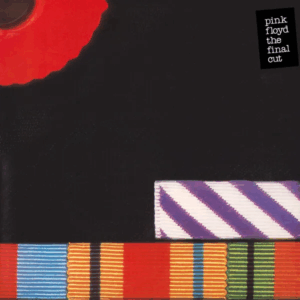
Pink Floyd’s 1983 concept album The Final Cut is an intensely cinematic, starkly intimate, and emotionally abrasive audio landscape that serves as a direct acoustic and thematic sequel to The Wall. Dominated almost entirely by Roger Waters' creative direction, the sound signature trades traditional space-rock jams and expansive guitar solos for quiet, fragile vocal delivery that abruptly shatters into explosive, dynamic bursts of theatrical rage. Michael Kamen’s lush, dramatic orchestral arrangements and brass sections sit alongside Waters’ delicate, whispering acoustic guitar chords and Roger’s raspy, trembling vocals, which are brought right to the front of the mix via pristine holophonic 3D audio recording techniques. David Gilmour’s guitar presence is surgical and sparse, delivering moments of searing, soaring blues power—most notably his weeping, high-sustain solos on "Your Possible Pasts" and the title track—while Nick Mason’s drumming is subdued and precise. Interspersed with hyper-realistic sound effects of whistle-blowing missiles, ticking clocks, roaring jet engines, and muffled radio broadcasts, the album delivers a deeply tragic, claustrophobic, and dynamic anti-war listening experience.