Herbie Hancock’s 1962 debut album Takin’ Off is a masterclass in early-1960s hard bop and soul-jazz, blending sophisticated modal harmony with an irresistible, blues-drenched groove. Recorded at Rudy Van Gelder’s Englewood Cliffs studio for Blue Note, the sound carries Van Gelder's iconic acoustic footprint: pristine dynamic range, warm room resonance, and punchy, articulate instrument separation. Hancock’s piano work is crisp, rhythmic, and bluesy, balancing gospel-influenced chords with sophisticated linear solos. Beside him, Freddie Hubbard’s fiery, brilliant trumpet lines and Dexter Gordon’s deep, muscular, laid-back tenor saxophone trade explosive solos over a rock-solid foundation anchored by Butch Warren’s thumping basslines and Billy Higgins’ crisp, swinging cymbals. Iconic tracks like "Watermelon Man" and "Empty Pockets" highlight this exact acoustic signature—a perfect balance of catchy, gospel-infused soul rhythms and adventurous, high-level jazz improvisation.
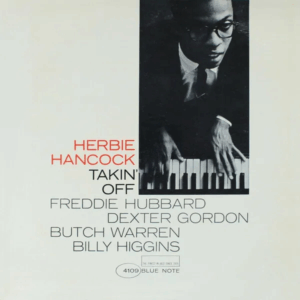
Herbie Hancock’s 1962 debut album Takin’ Off is a masterclass in early-1960s hard bop and soul-jazz, blending sophisticated modal harmony with an irresistible, blues-drenched groove. Recorded at Rudy Van Gelder’s Englewood Cliffs studio for Blue Note, the sound carries Van Gelder's iconic acoustic footprint: pristine dynamic range, warm room resonance, and punchy, articulate instrument separation. Hancock’s piano work is crisp, rhythmic, and bluesy, balancing gospel-influenced chords with sophisticated linear solos. Beside him, Freddie Hubbard’s fiery, brilliant trumpet lines and Dexter Gordon’s deep, muscular, laid-back tenor saxophone trade explosive solos over a rock-solid foundation anchored by Butch Warren’s thumping basslines and Billy Higgins’ crisp, swinging cymbals. Iconic tracks like "Watermelon Man" and "Empty Pockets" highlight this exact acoustic signature—a perfect balance of catchy, gospel-infused soul rhythms and adventurous, high-level jazz improvisation.