moe.’s 1996 breakthrough album, No Doy, is a defining artifact of 90s jam-rock, bursting with a crisp, muscular live-in-the-studio energy, infectious twin-guitar interplay, and progressive rock eccentricity. The album's sonic backbone is built on the dynamic guitar tandem of Al Schnier and Chuck Garvey, whose crisp, dry tones weave seamlessly between intricate, Frank Zappa–esque dual-lead harmonies, gritty blues-rock riffs, and swirling, delay-heavy space jams. Tracks like "Rebubula" and "32 Things" showcase the band’s signature balance of tight, polyrhythmic funk-rock grooves and sprawling, multi-part arrangements, driven by a punchy, slap-tinged bassline and rapid-fire drumming. The production is clean, direct, and unpretentious—capturing the raw warmth of a seasoned, high-octane bar band while leaving plenty of breathing room for playful vocal harmonies, quirky lyrical detours, and soaring, improvisational guitar climaxes.
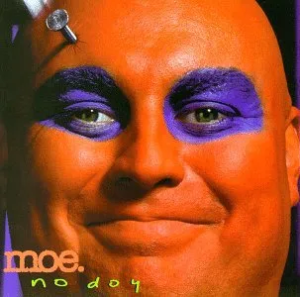
moe.’s 1996 breakthrough album, No Doy, is a defining artifact of 90s jam-rock, bursting with a crisp, muscular live-in-the-studio energy, infectious twin-guitar interplay, and progressive rock eccentricity. The album's sonic backbone is built on the dynamic guitar tandem of Al Schnier and Chuck Garvey, whose crisp, dry tones weave seamlessly between intricate, Frank Zappa–esque dual-lead harmonies, gritty blues-rock riffs, and swirling, delay-heavy space jams. Tracks like "Rebubula" and "32 Things" showcase the band’s signature balance of tight, polyrhythmic funk-rock grooves and sprawling, multi-part arrangements, driven by a punchy, slap-tinged bassline and rapid-fire drumming. The production is clean, direct, and unpretentious—capturing the raw warmth of a seasoned, high-octane bar band while leaving plenty of breathing room for playful vocal harmonies, quirky lyrical detours, and soaring, improvisational guitar climaxes.