Yes’s Close to the Edge is a monumental, cathedral-like landmark of progressive rock that sounds vast, intricate, and triumphantly cosmic. Engineered with pristine clarity, the album seamlessly bridges classical complexity, church-organ majesty, and driving jazz-fusion energy across expansive, multi-part suites. Chris Squire’s famous, punchy Rickenbacker bass and Bill Bruford’s razor-sharp, polyrhythmic drumming create a kinetic, hyper-precise foundation for Steve Howe’s incendiary, genre-hopping guitar work—which shifts effortlessly from fiery country-twang picking to soaring, classical lines. Surrounding it all are Rick Wakeman’s towering keyboard textures, featuring lush Mellotron swells and blistering synthesizer runs, capped by Jon Anderson’s crystalline, otherworldly vocals and multi-layered harmonies that elevate the sound to an ecstatic, spiritual peak.
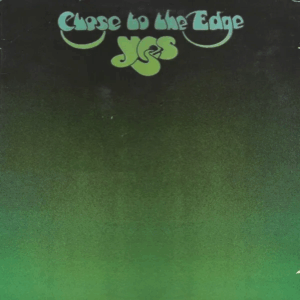
Yes’s Close to the Edge is a monumental, cathedral-like landmark of progressive rock that sounds vast, intricate, and triumphantly cosmic. Engineered with pristine clarity, the album seamlessly bridges classical complexity, church-organ majesty, and driving jazz-fusion energy across expansive, multi-part suites. Chris Squire’s famous, punchy Rickenbacker bass and Bill Bruford’s razor-sharp, polyrhythmic drumming create a kinetic, hyper-precise foundation for Steve Howe’s incendiary, genre-hopping guitar work—which shifts effortlessly from fiery country-twang picking to soaring, classical lines. Surrounding it all are Rick Wakeman’s towering keyboard textures, featuring lush Mellotron swells and blistering synthesizer runs, capped by Jon Anderson’s crystalline, otherworldly vocals and multi-layered harmonies that elevate the sound to an ecstatic, spiritual peak.