Blues Blood (2024) by Immanuel Wilkins is a deeply soulful, ambient-tinged spiritual jazz suite that explores the blues as a ancestral, living archive of memory and resilience. Anchored by Wilkins's searing, emotionally raw alto saxophone, the record expands far beyond the classic acoustic jazz quartet by integrating haunting vocal performances (from Cécile McLorin Salvant, Ganavya, June McDoom, and Micah Thomas), layered choral harmonies, and delicate electronic flourishes. Micah Thomas's evocative piano work and Kweku Sumbry's atmospheric, hand-percussion-heavy drumming give the album a fluid, ritualistic quality. The sonic landscape is dense, cinematic, and profoundly intimate—shifting seamlessly between gospel-rooted laments, intricate modern polyrhythms, and meditative, drone-like vocal tapestries. The overall sound is sacred, historical, and deeply resonant, making it one of the most ambitious and emotionally compelling vocal-instrumental jazz works of the decade.
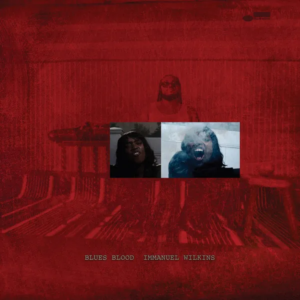
Blues Blood (2024) by Immanuel Wilkins is a deeply soulful, ambient-tinged spiritual jazz suite that explores the blues as a ancestral, living archive of memory and resilience. Anchored by Wilkins's searing, emotionally raw alto saxophone, the record expands far beyond the classic acoustic jazz quartet by integrating haunting vocal performances (from Cécile McLorin Salvant, Ganavya, June McDoom, and Micah Thomas), layered choral harmonies, and delicate electronic flourishes. Micah Thomas's evocative piano work and Kweku Sumbry's atmospheric, hand-percussion-heavy drumming give the album a fluid, ritualistic quality. The sonic landscape is dense, cinematic, and profoundly intimate—shifting seamlessly between gospel-rooted laments, intricate modern polyrhythms, and meditative, drone-like vocal tapestries. The overall sound is sacred, historical, and deeply resonant, making it one of the most ambitious and emotionally compelling vocal-instrumental jazz works of the decade.