Chet Baker’s 1959 masterpiece, Chet (subtitled The Lyrical Trumpet of Chet Baker), is a warm, velvety pillar of cool jazz that stands as one of the most intimate late-night ballad records ever recorded. Uniquely instrumental—omitting Baker’s famously delicate vocals entirely—the album places his trumpet front and center, defined by a soft, breathy, and intensely melodic tone that seems to float through quiet room acoustics.
Backed by an all-star ensemble including Bill Evans on piano, Pepper Adams on baritone saxophone, and Herbie Mann on flute, the production favors spacious, low-tempo arrangements where silence and subtle textures carry as much weight as the notes. Evans’ sparse, impressionistic chord voicings and Paul Chambers’ steady, deep basswork provide a plush, swinging foundation. Recorded with pristine analog warmth that captures every gentle breath and brush of the snare, the album creates a deeply romantic, melancholy soundscape that feels slow, quiet, and effortlessly sophisticated.
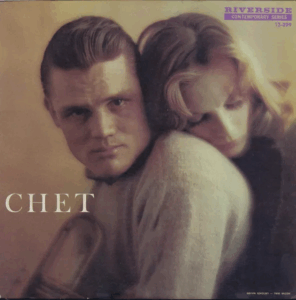
Chet Baker’s 1959 masterpiece, Chet (subtitled The Lyrical Trumpet of Chet Baker), is a warm, velvety pillar of cool jazz that stands as one of the most intimate late-night ballad records ever recorded. Uniquely instrumental—omitting Baker’s famously delicate vocals entirely—the album places his trumpet front and center, defined by a soft, breathy, and intensely melodic tone that seems to float through quiet room acoustics.
Backed by an all-star ensemble including Bill Evans on piano, Pepper Adams on baritone saxophone, and Herbie Mann on flute, the production favors spacious, low-tempo arrangements where silence and subtle textures carry as much weight as the notes. Evans’ sparse, impressionistic chord voicings and Paul Chambers’ steady, deep basswork provide a plush, swinging foundation. Recorded with pristine analog warmth that captures every gentle breath and brush of the snare, the album creates a deeply romantic, melancholy soundscape that feels slow, quiet, and effortlessly sophisticated.