Cesária Évora’s self-titled 1995 album Cesária is a masterpiece of lush acoustic warmth and aching nostalgia, built around the bittersweet Cape Verdean musical traditions of morna and coladeira. At its core, the production feels rich yet intimate, anchored by the rhythmic, light-fingered "swish" of the cavaquinho (a small four-string Portuguese guitar), delicate nylon-string acoustic guitars, and gentle, sway-inducing percussion. Tracks like "Petit Pays" lift off with buoyant, syncopated rhythms, while slower ballads lean heavily into melancholic piano chords, weeping violins, and the occasional subtle sigh of an accordion or woodwind. Floating above these organic, mid-tempo arrangements is Évora’s deep, smoky contralto—effortlessly relaxed, slightly weathered, and saturated with sodade (a profound longing and sorrow). The overall acoustic soundstage feels like an late-night, sun-drenched coastal cabaret: warm, elegant, deeply soulful, and completely unhurried.
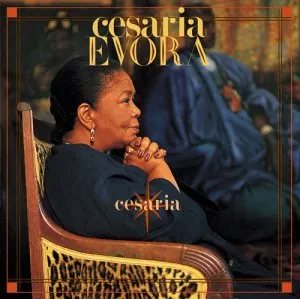
Cesária Évora’s self-titled 1995 album Cesária is a masterpiece of lush acoustic warmth and aching nostalgia, built around the bittersweet Cape Verdean musical traditions of morna and coladeira. At its core, the production feels rich yet intimate, anchored by the rhythmic, light-fingered "swish" of the cavaquinho (a small four-string Portuguese guitar), delicate nylon-string acoustic guitars, and gentle, sway-inducing percussion. Tracks like "Petit Pays" lift off with buoyant, syncopated rhythms, while slower ballads lean heavily into melancholic piano chords, weeping violins, and the occasional subtle sigh of an accordion or woodwind. Floating above these organic, mid-tempo arrangements is Évora’s deep, smoky contralto—effortlessly relaxed, slightly weathered, and saturated with sodade (a profound longing and sorrow). The overall acoustic soundstage feels like an late-night, sun-drenched coastal cabaret: warm, elegant, deeply soulful, and completely unhurried.