Santana’s 1970 masterpiece, Abraxas, is an immortal landmark of Latin rock, psychedelic blues, and jazz fusion. Following their explosive breakout performance at Woodstock, the band entered San Francisco's Wally Heider Studios to record a sophomore album that refined their raw stage energy into a polished, deeply atmospheric, and groove-heavy studio classic.
Carlos Santana’s guitar work on Abraxas defines his signature sonic identity—singing sustain, warm Gibson SG/Les Paul tube saturation through cranked Fender Princeton and Twin Reverb amplifiers, and lyrical, Dorian-mode blues phrasing. What elevates the album into a masterclass of world-fusion is the seamless synergy between Gregg Rolie’s fiery Hammond B3 organ solos and the relentless, three-man percussion battery of Michael Shrieve on drums, José "Chepito" Areas on timbales, and Michael Carabello on congas. David Brown’s fluid, pulsing basslines provide the deep low-end anchor connecting blues-rock to Cuban son montuno.
From the hypnotic, slow-burning instrumental opener "Singing Winds, Crying Beasts" and the iconic, seamless transition from Peter Green’s blues-drenched "Black Magic Woman" into Gábor Szabó’s Latin-jazz groove "Gypsy Queen," to the explosive Tito Puente salsa-rock smash "Oye Como Va" and the soaring, emotional guitar instrumental "Samba Pa Ti," Abraxas remains a timeless high-water mark of Latin-rock fusion.
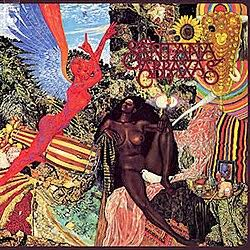
Santana’s 1970 masterpiece, Abraxas, is an immortal landmark of Latin rock, psychedelic blues, and jazz fusion. Following their explosive breakout performance at Woodstock, the band entered San Francisco's Wally Heider Studios to record a sophomore album that refined their raw stage energy into a polished, deeply atmospheric, and groove-heavy studio classic.
Carlos Santana’s guitar work on Abraxas defines his signature sonic identity—singing sustain, warm Gibson SG/Les Paul tube saturation through cranked Fender Princeton and Twin Reverb amplifiers, and lyrical, Dorian-mode blues phrasing. What elevates the album into a masterclass of world-fusion is the seamless synergy between Gregg Rolie’s fiery Hammond B3 organ solos and the relentless, three-man percussion battery of Michael Shrieve on drums, José "Chepito" Areas on timbales, and Michael Carabello on congas. David Brown’s fluid, pulsing basslines provide the deep low-end anchor connecting blues-rock to Cuban son montuno.
From the hypnotic, slow-burning instrumental opener "Singing Winds, Crying Beasts" and the iconic, seamless transition from Peter Green’s blues-drenched "Black Magic Woman" into Gábor Szabó’s Latin-jazz groove "Gypsy Queen," to the explosive Tito Puente salsa-rock smash "Oye Como Va" and the soaring, emotional guitar instrumental "Samba Pa Ti," Abraxas remains a timeless high-water mark of Latin-rock fusion.